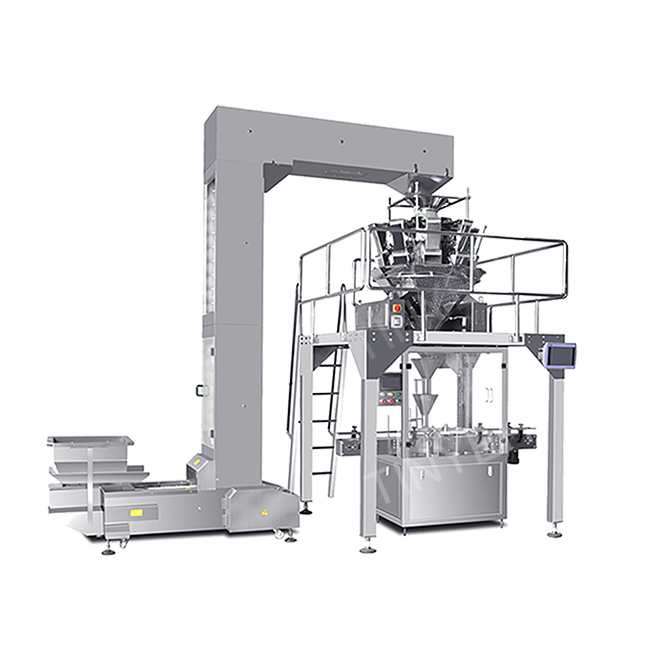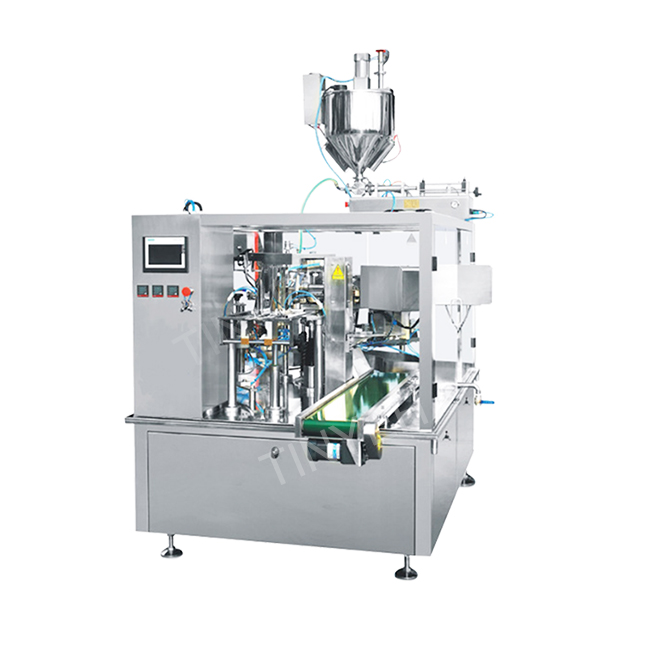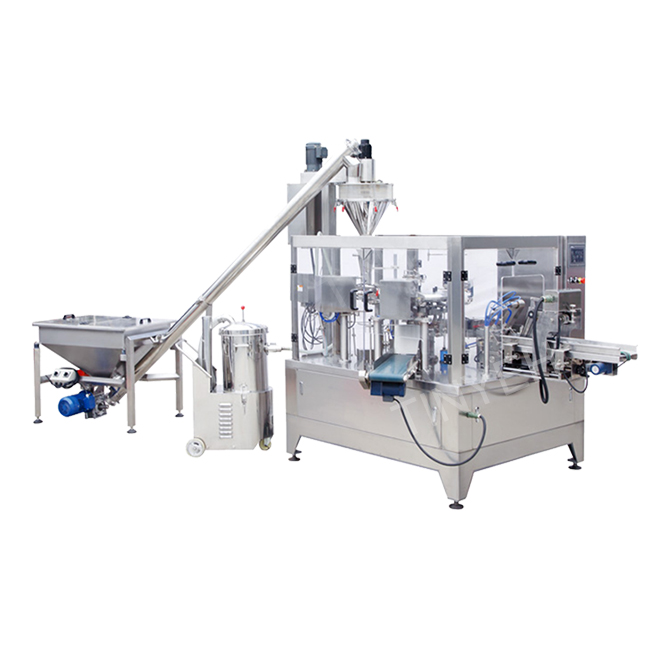


In the thriving health food and snack industry, dried fruits have secured a prominent position due to their long shelf life, nutritional value, and convenience. Behind every perfectly packaged bag of raisins, mangoes, or apricots lies a sophisticated piece of technology: the fruit drying packaging machine. This machinery is the critical final link in the production chain, ensuring that the quality of the dried fruit is preserved from the production line to the consumer.
What is a Fruit Drying Packaging Machine?
A fruit drying packaging machine is an automated system designed to weigh, fill, and seal dried fruit into various types of packaging, such as pouches, bags, or containers. These machines are engineered to handle the unique challenges posed by dried fruits, which can be sticky, fragile, vary in size and shape, and are often susceptible to moisture and oxygen.
The primary goal of this machinery is to achieve high-speed, accurate, and hygienic packaging while extending the product's shelf life through effective sealing.
Key Components and How They Work
A typical fruit drying packaging line integrates several key components that work in unison:
-
Feeding and Elevating System: Dried fruits are poured into a hopper, which then uses an elevator or a conveyor belt to transport the product to the weighing station.
-
Multi-Head Weighing System: This is the brain of the operation. A computer-controlled multi-head weigher uses a series of buckets to rapidly and precisely measure the exact weight of the product. This system is crucial for cost control and regulatory compliance.
-
Packaging Material Unwinding: A roll of packaging film (such as laminated polypropylene or metallized polyester for barrier properties) is mounted and fed into the machine.
-
Forming, Filling, and Sealing (FFS): This is the core process.
-
Forming: The flat film is shaped into a tube around a vertical collar.
-
Filling: The pre-weighed fruit is dropped through the collar into the formed tube of film.
-
Sealing: The machine creates a bottom seal for the current bag and a top seal for the previous bag simultaneously, then cuts the individual packages apart.
-
-
Date Coding and Printing: An inkjet or laser coder prints essential information like batch numbers, expiry dates, and barcodes directly onto the packaging.
-
Finished Product Conveyor: The sealed bags are conveyed out of the machine for collection, boxing, and palletizing.
Types of Packaging Machines for Dried Fruits
-
Vertical Form-Fill-Seal (VFFS) Machines: The most common type for bagged snacks. They are compact, highly efficient, and ideal for a wide range of package sizes. They use roll stock film, which is cost-effective.
-
Pre-Made Pouch Machines: These machines use pre-formed pouches (often with a zipper or stand-up feature). They are slightly slower but offer superior packaging aesthetics and convenience features for the end-user.
-
Weighing and Filling Machines for Containers: For dried fruits packaged in tubs, cups, or jars, volumetric or auger fillers are used to dispense the product before the container is lidded or capped.
Crucial Features for Optimal Dried Fruit Packaging
When selecting a machine, manufacturers must consider features that address the specific nature of dried fruits:
-
Gentle Product Handling: Adjustable drop heights and soft-touch buckets prevent damage to fragile fruits like banana chips or apple rings.
-
Anti-Stick and Easy-Clean Surfaces: Coatings like Teflon on contact parts prevent sticky fruits (like dates or figs) from adhering to the machine. A sanitary design with minimal crevices is vital for hygiene.
-
High-Accuracy Weighing: Advanced multi-head weighers with vibration control can handle product pieces of varying densities and sizes without sacrificing speed or accuracy.
-
Gas Flushing (Nitrogen Flushing) Capability: To maximize shelf life and prevent oxidation, many machines include a system to displace oxygen inside the package with an inert gas like nitrogen before sealing.
-
User-Friendly HMI (Human-Machine Interface): A touchscreen PLC (Programmable Logic Controller) allows for easy operation, recipe storage for different products, and quick changeovers.
Benefits of Automated Fruit Drying Packaging
Investing in an automated packaging line offers significant advantages:
-
Increased Efficiency and Speed: Machines can package hundreds of bags per minute, far surpassing manual capabilities.
-
Reduced Labor Costs and Human Error: Automation minimizes the need for a large packaging workforce and ensures consistent, accurate weights.
-
Enhanced Product Quality and Shelf Life: Precise sealing and gas flushing protect the fruit's color, texture, and flavor.
-
Improved Hygiene and Safety: Automated systems reduce direct human contact with the product, adhering to strict food safety standards like HACCP and GMP.
-
Material Savings: Precise weighing and minimal film waste lead to significant cost savings on raw materials.