

In the bustling ecosystem of a modern fresh-food processing plant, the most critical moment occurs after the washing, cutting, and mixing. It's the moment delicate, perishable vegetable salad meets its protective home: the package. This transition, once a manual and precarious bottleneck, is now being mastered by engineering precision. Enter the Vegetable Salad Packaging Machine – the unsung hero ensuring that crisp greens and vibrant veggies reach consumers with their farm-fresh quality intact.
The Core Challenge: Packaging Perishable Perfection
Packaging fresh salad isn't like boxing crackers. The product is live, respiring, fragile, and highly susceptible to moisture loss and microbial growth. The packaging machine must be gentle yet fast, airtight yet adaptable, and must operate in a high-humidity, cool environment. The primary goal is to create a Modified Atmosphere Packaging (MAP) environment. By flushing the bag with a precise mix of gases (typically nitrogen and carbon dioxide), the machine slows down respiration and decay, dramatically extending shelf life from days to weeks.
Anatomy of a Salad Packaging Machine: Precision at Every Step
A state-of-the-art salad packaging system is a symphony of integrated modules:
-
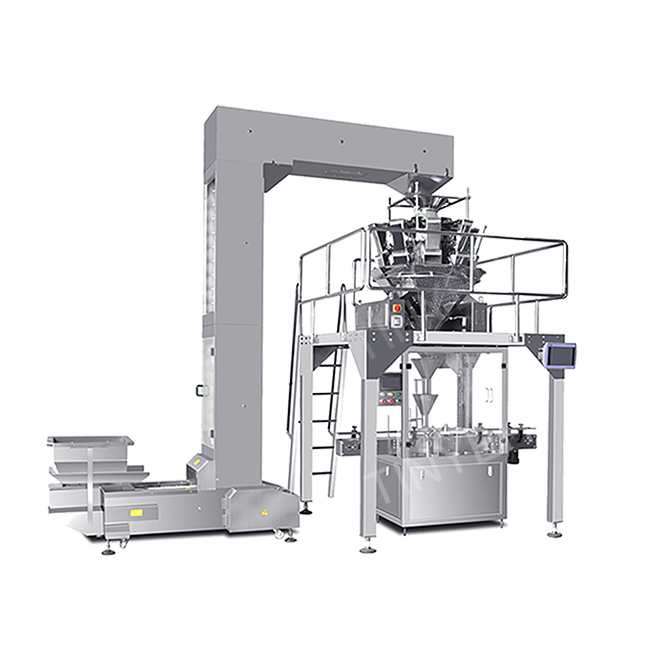
Product Infeed & Weighing: Gently vibrating conveyors or buckets present the mixed salad to multi-head weighers. These high-speed, computer-controlled scales combine portions from different weigh heads to achieve a lightning-fast and exact target weight, minimizing giveaway and ensuring compliance.
-
Film Handling & Forming: A roll of multilayer, breathable packaging film (often with anti-fog properties) is fed into the machine. It is precisely formed around a shaping collar, creating a vertical tube.
-
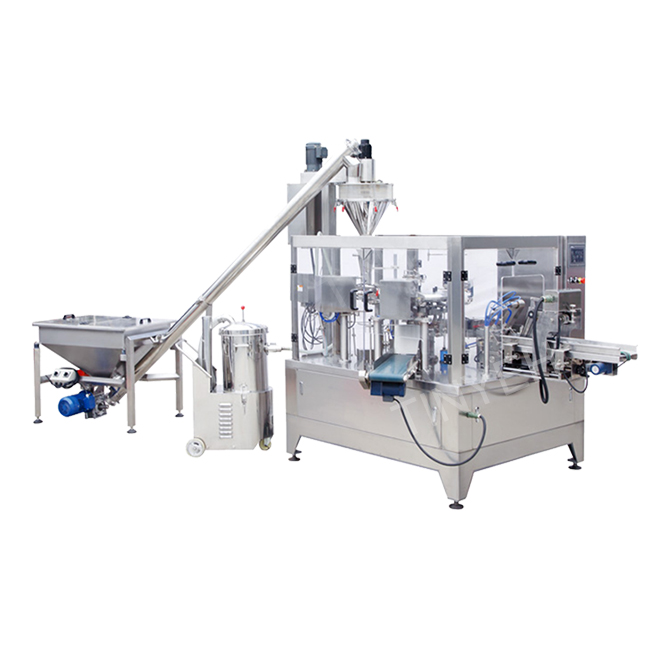
Gentle Filling: The weighed salad is delivered via a slow-drop or soft-landing chute into the forming bag. This step is critical to avoid bruising and to maintain the salad's mixed, fluffy structure—no crushed lettuce or sunken tomatoes allowed.
-
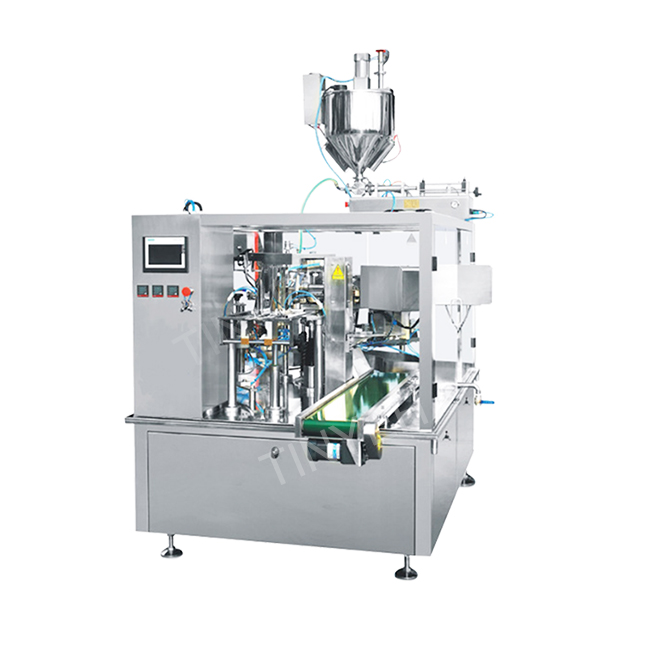
Gas Flushing & Sealing (MAP): The heart of the process. As the bag fills, a precise mixture of gases is injected, displacing the oxygen-rich air. The machine then makes two seals: a primary seal that creates the airtight package, and a clean-cut separation above it for the next bag. Modern sealers use advanced thermal controls to ensure perfect, reliable seals even through potential film contamination (like water droplets or tiny food particles).
-
Output & Quality Check: The finished bags are discharged onto a take-away conveyor. Integrated metal detectors and checkweighers automatically verify safety and weight compliance, rejecting any out-of-spec packages.
Why Automation is the Indispensable Ingredient
The shift from manual or semi-automatic filling to fully integrated lines is driven by compelling benefits:
-
Unmatched Shelf Life & Quality: Consistent, perfect MAP seals are virtually impossible manually. This consistency is what guarantees the "fresh for days" promise on the label.
-
Blazing Speed & Scalability: Modern machines can produce 60 to 120 bags per minute or more, meeting the demands of large retailers without breaking a sweat.
-
Dramatic Reduction in Waste: Precision weighing and sealing minimize product giveaway and packaging film waste, directly boosting the bottom line.
-
Hygiene & Food Safety: A fully enclosed automated process drastically reduces human contact, a critical factor for HACCP and GFSI-certified facilities. It also allows operation in optimal, chilled environments.
-
Operational Flexibility: Quick-change parts and recipe-driven controls allow the same line to switch between different salad mixes, bag sizes, and gas formulations in minutes, enabling small, profitable batch runs.
The Future of Salad Packaging: Intelligence Meets Freshness
The next generation of machines is not just automated; it's intelligent. Industry 4.0 features are becoming standard:
-
Predictive Maintenance: Sensors monitor seal bar health, motor vibration, and gas pressure, alerting technicians to service needs before a failure causes downtime.
-
Real-Time Data Dashboards: Operators see OEE (Overall Equipment Effectiveness), waste percentages, and production rates in real-time, enabling continuous optimization.
-
Vision Inspection Systems: AI-powered cameras can now inspect salad mix for foreign objects, check fill levels, and even verify the visual appeal of the final product.