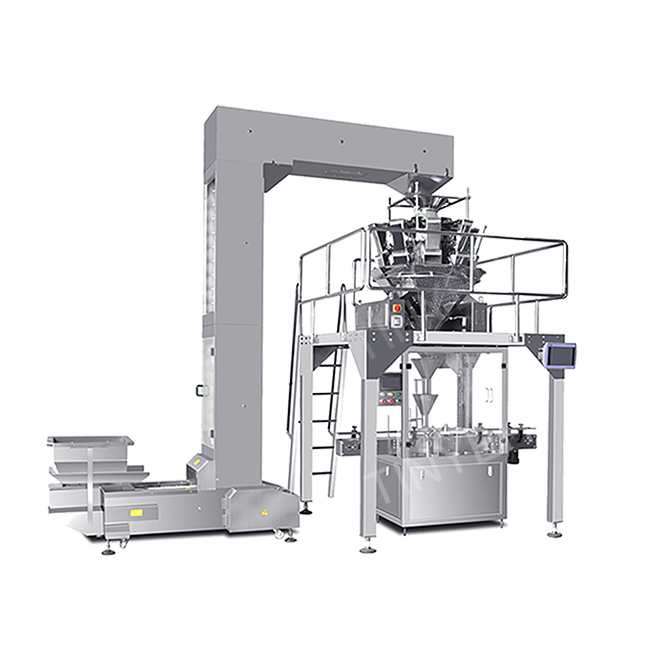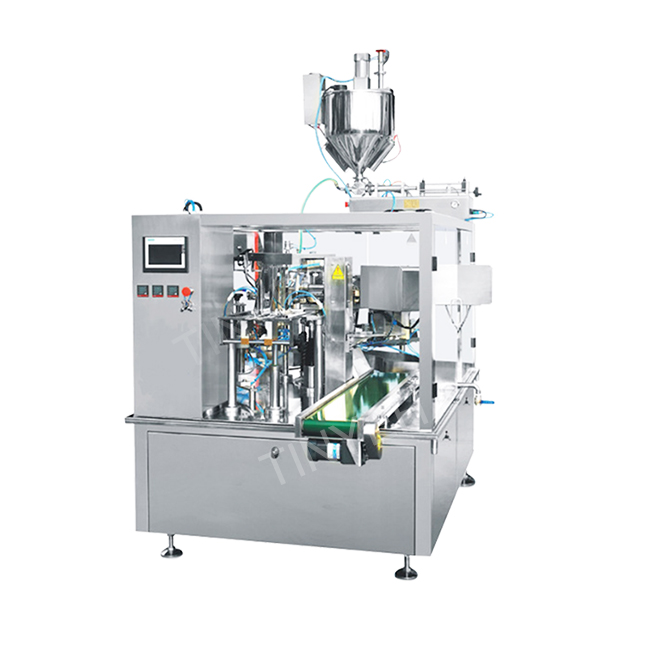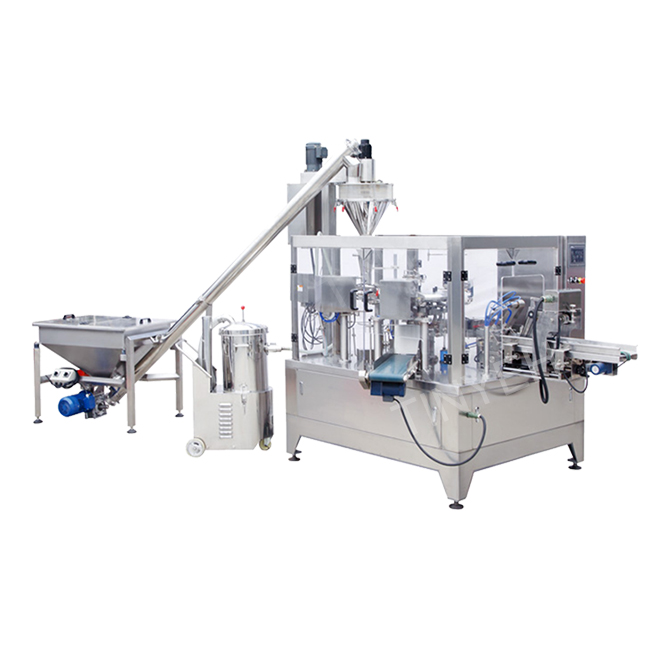


In the fast-paced world of manufacturing, packaging machinery is the backbone of your operation. It ensures product consistency, protects your goods, and maintains your brand's reputation. However, like any high-performance equipment, packaging machines require consistent and proper care to operate at their peak.
Neglecting maintenance can lead to unexpected downtime, costly repairs, poor product quality, and even safety hazards. A proactive maintenance strategy is not an expense; it's a critical investment in your productivity and bottom line.
Here is a comprehensive guide to effective packaging machinery maintenance.
1. The Foundation: Daily & Operational Care
These are the basic, yet crucial, tasks that should become second nature to your operators.
-
Cleanliness is Key: Residue from products (like powders, liquids, or adhesives) can build up on forming jaws, seal bars, conveyors, and sensors. Clean the machine at the end of every shift using approved cleaning agents. Never use harsh chemicals or high-pressure water that could damage electrical components or bearings.
-
Visual Inspection: Before starting production, perform a quick visual check. Look for signs of wear, loose bolts, leaks (air, oil, or product), and any foreign objects that could interfere with the mechanism.
-
Lubrication: Follow the manufacturer's guidelines meticulously. Many modern machines have sealed bearings, but moving parts like chains, guide rails, and gears may require specific lubricants. Over-lubrication can be as harmful as under-lubrication, attracting dust and causing grime buildup.
-
Check for Unusual Noises or Vibrations: Operators are often the first to notice changes. Squeaks, grinding sounds, or excessive vibration are early warnings of misalignment, wear, or impending failure. Report these immediately.
2. Scheduled Preventive Maintenance (PM)
This is the heart of a proactive maintenance program. It involves planned, periodic checks and part replacements based on runtime or calendar intervals.
-
Create a PM Schedule: Develop a detailed checklist for weekly, monthly, and quarterly maintenance tasks based on the machine's manual. This schedule should be non-negotiable.
-
Inspect and Replace Wear Parts: Identify components that are subject to friction and wear, such as:
-
Sealing Jaws & Band Heaters: Check for erosion, carbon buildup, and even heating.
-
Belts & Chains: Check for tension, wear, and elongation.
-
Grippers, Suction Cups, and Claws: These rubber or plastic parts degrade over time and can cause misfeeds.
-
Filters: Replace air and oil filters regularly to ensure clean, dry air and proper hydraulic performance.
-
Sensors & Electrical Components: Clean optical sensors and check for loose wiring connections.
-
-
Calibration: Regularly calibrate critical systems like weigh scales, fill volume controls, and temperature settings to ensure packaging consistency and accuracy.
3. The Power of Predictive Maintenance
Taking it a step further, predictive maintenance uses technology to monitor the machine's condition and predict failures before they occur.
-
Vibration Analysis: Sensors can detect abnormal vibration patterns in motors and gearboxes, indicating imbalance or bearing wear.
-
Thermal Imaging: Infrared cameras can identify hot spots in electrical panels, motors, or bearings, signaling overload or failing components.
-
Motor Current Analysis: Monitoring the current draw of motors can reveal mechanical problems they are working against.
While this requires an initial investment in technology and training, it can dramatically reduce unplanned downtime.
4. Long-Term Health & Operator Training
-
Keep a Maintenance Log: Document every inspection, service, and repair. This logbook is invaluable for troubleshooting recurring issues and understanding the machine's history.
-
Use Genuine Spare Parts: While third-party parts may be cheaper, they often lack the precision and durability of OEM (Original Equipment Manufacturer) parts. Using genuine parts ensures compatibility and preserves machine warranties.
-
Invest in Operator Training: Ensure your team is fully trained on how to operate the machine correctly. Many issues are caused by operator error. A well-trained operator can perform basic troubleshooting and understands the importance of daily care.